General CNC audio hardware
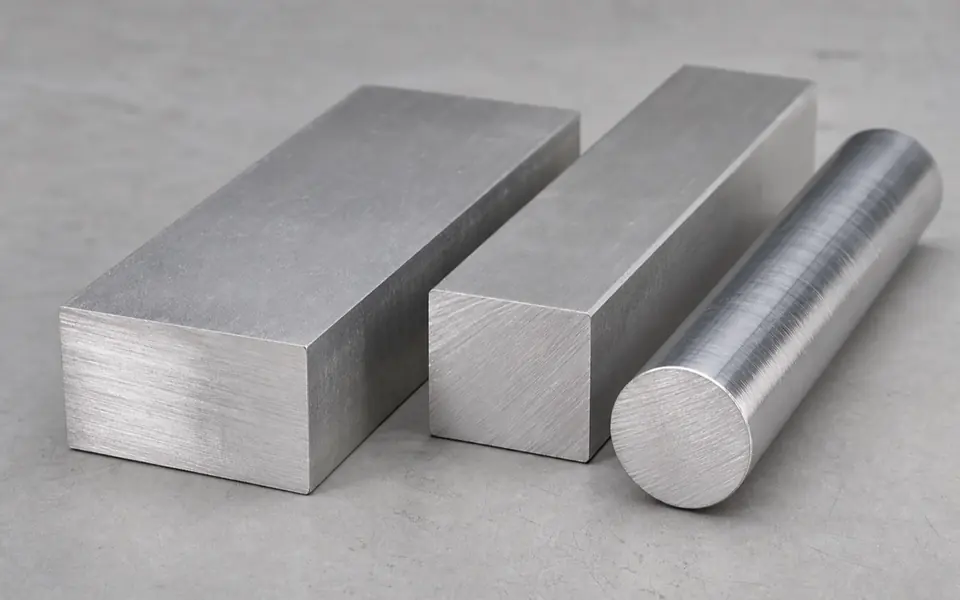
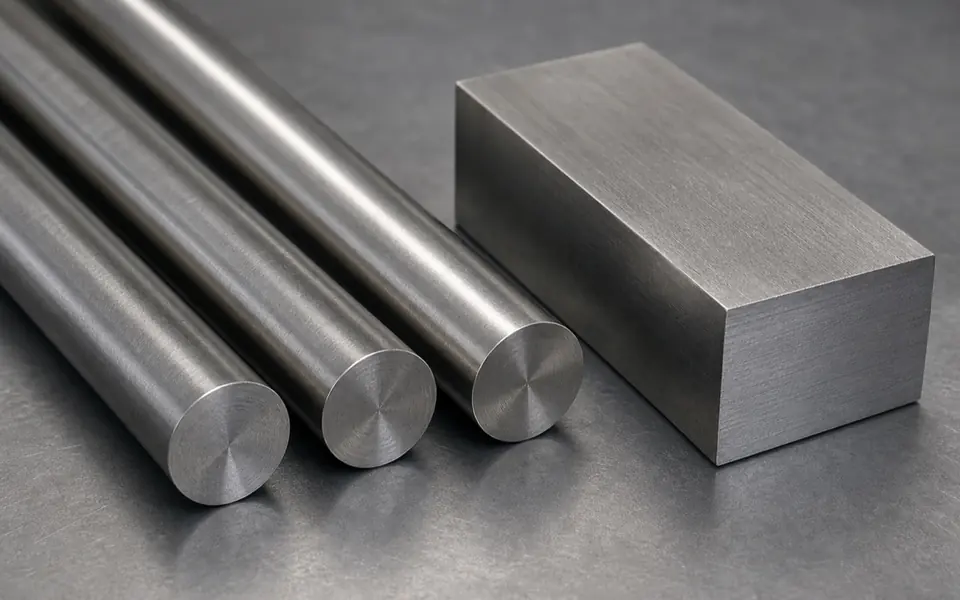
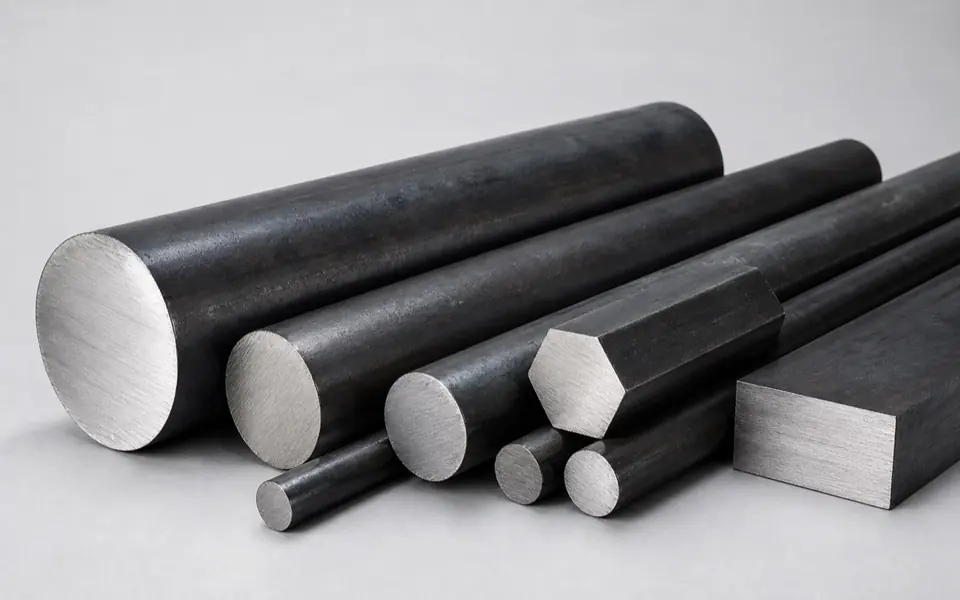
Balanced machinability, strength, corrosion resistance and anodizing response.
- Amplifier housings and heat spreaders
- Adapters, mounting blocks and faceplates
- Prototype and production CNC parts
Materials for Stage Audio Hardware
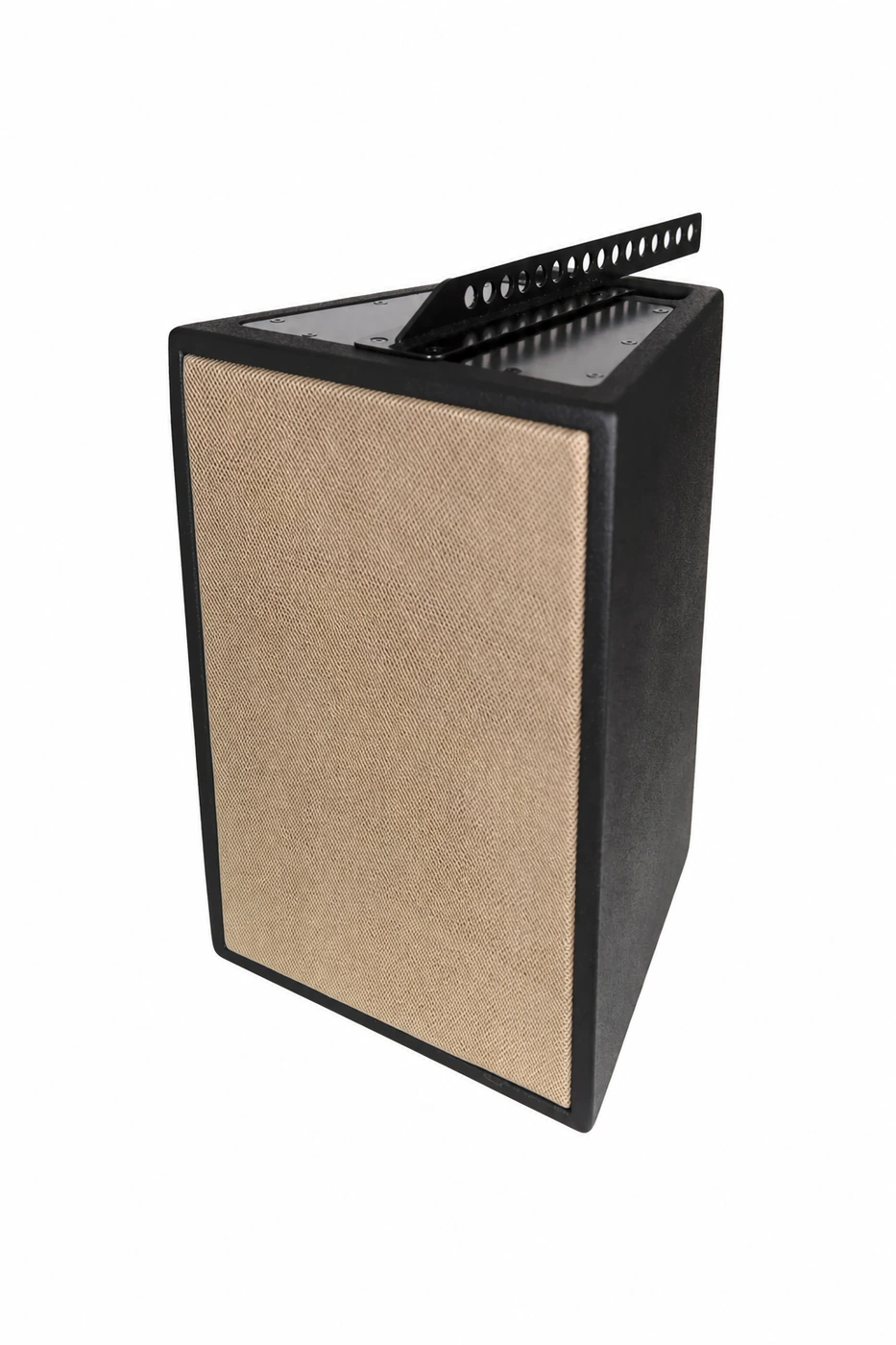
From line-array rigging and quick-release pins to speaker grilles, amplifier chassis, molded horns and vibration seals, we match the material to the drawing, process, environment and performance target.
Application First
Material selection affects stiffness, fatigue life, corrosion resistance, acoustic behavior, finish quality, tooling cost and production consistency. The examples below are starting points for design review, not substitutes for load calculations or product certification.
Lightweight Metals
Strong weight-to-performance options for heat management, mobile systems, precision interfaces and corrosion-resistant audio hardware.
Balanced machinability, strength, corrosion resistance and anodizing response.
Higher strength than 6061 for weight-sensitive, precision-machined hardware where the design specifies it.
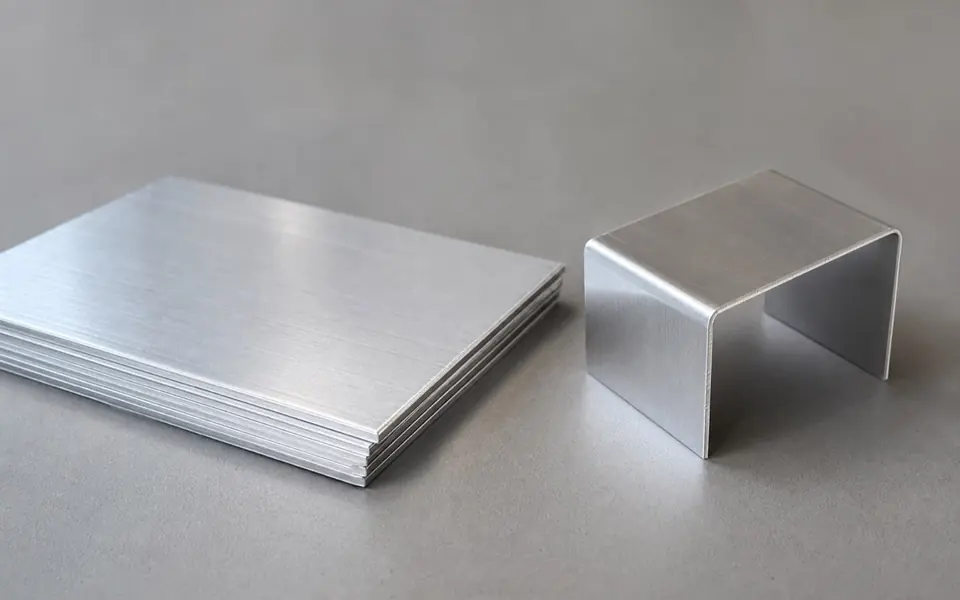
Good bendability and corrosion resistance for lightweight fabricated enclosures.
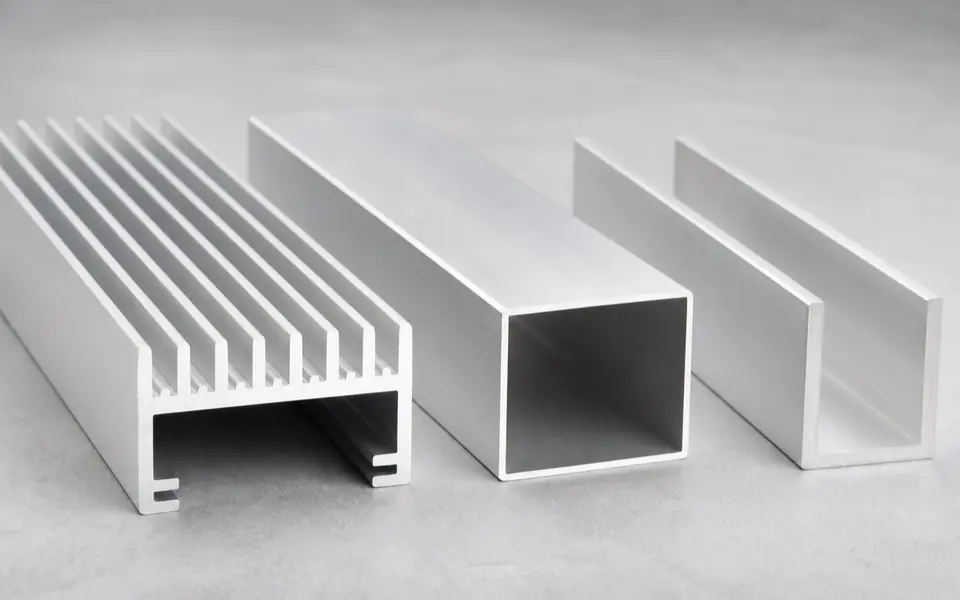
Well suited to clean extrusion profiles, decorative anodizing and efficient heat-sink geometries.
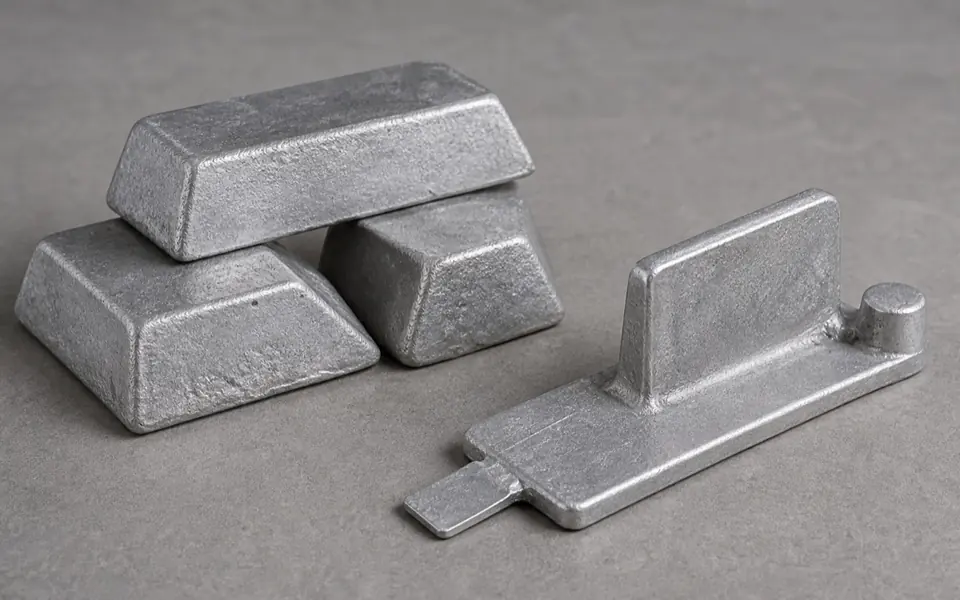
Efficient for integrated ribs, bosses and complex shapes when production volume supports tooling.
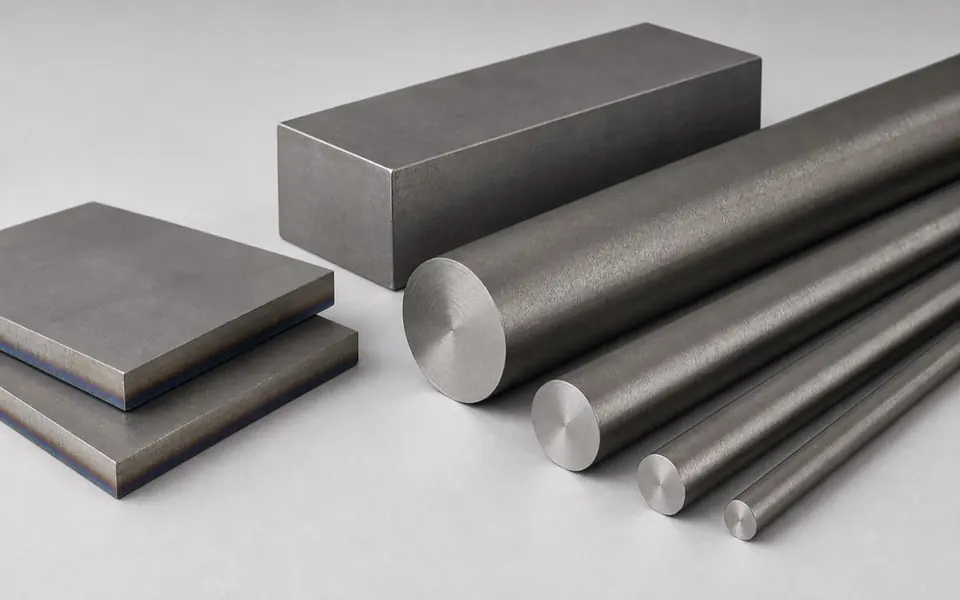
Rigging & Structural Metals
Strength is only one input. Fatigue, weldability, heat treatment, corrosion exposure, traceability and verification method must be considered together.
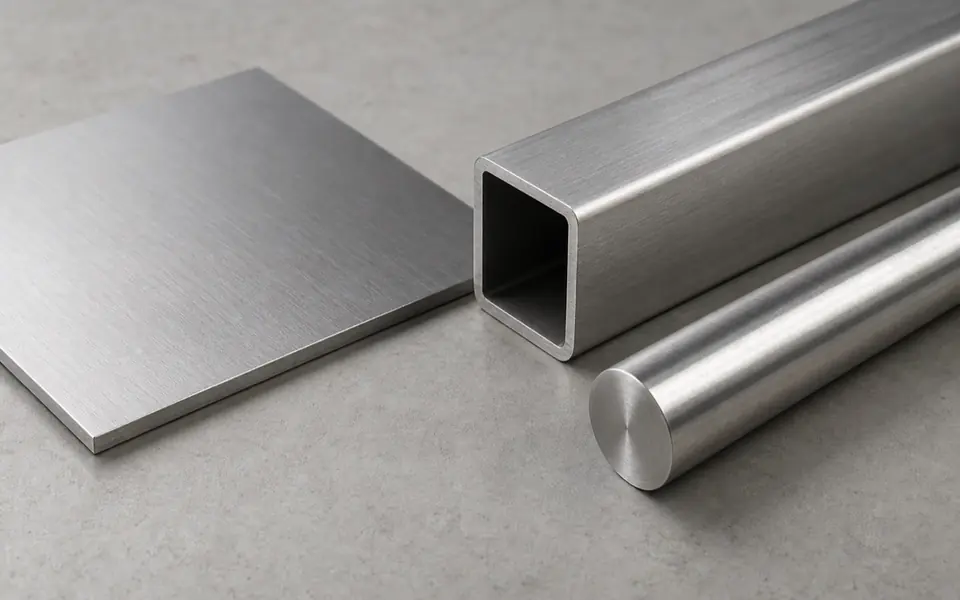
A practical stainless option for indoor and sheltered installations.
Improved pitting and corrosion resistance for permanent outdoor audio installations.
High strength with useful corrosion resistance when the drawing specifies condition and heat treatment.
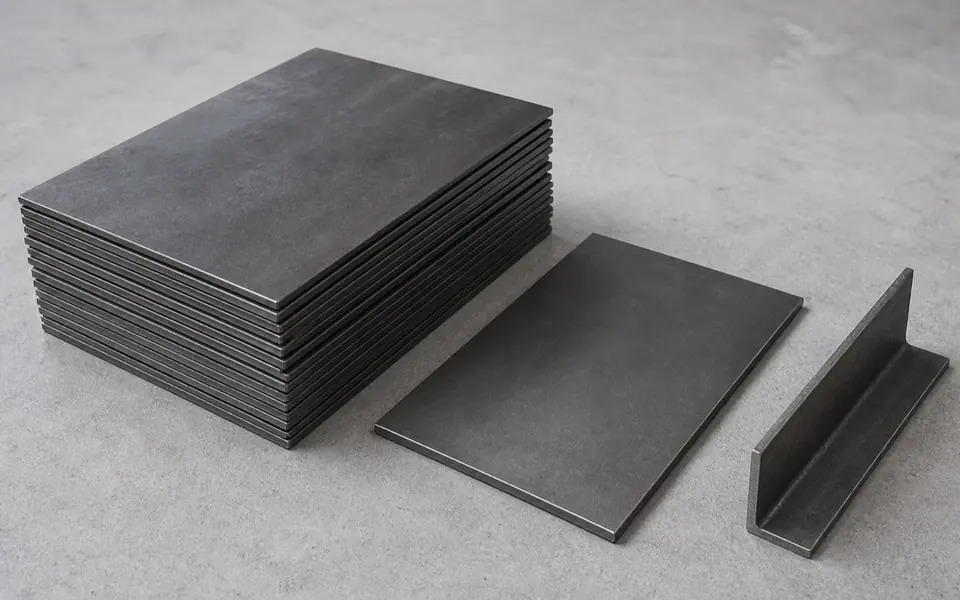
Reliable fabrication material for indoor sheet metal and welded assemblies.
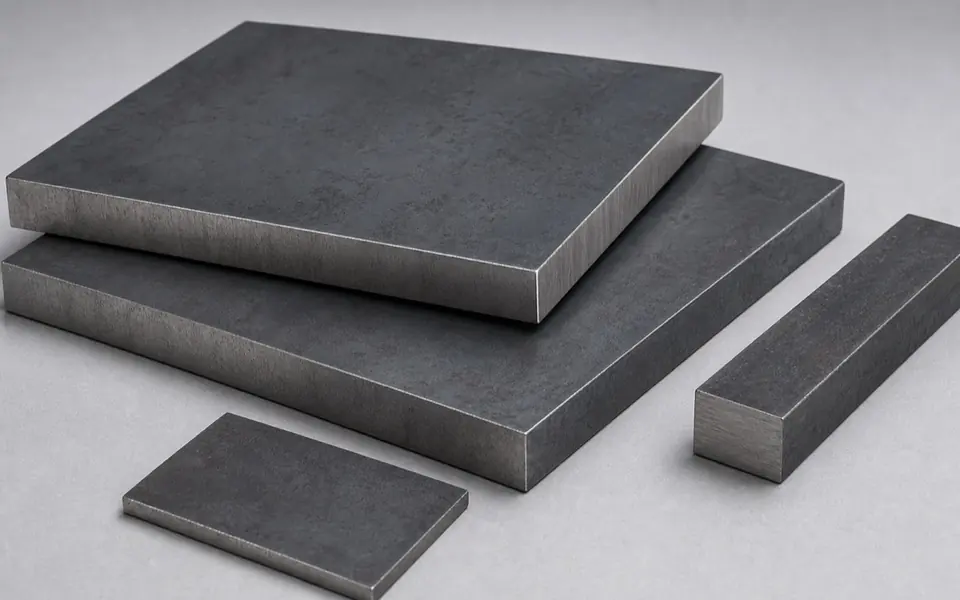
Used where structural strength and weldability are more important than low mass.
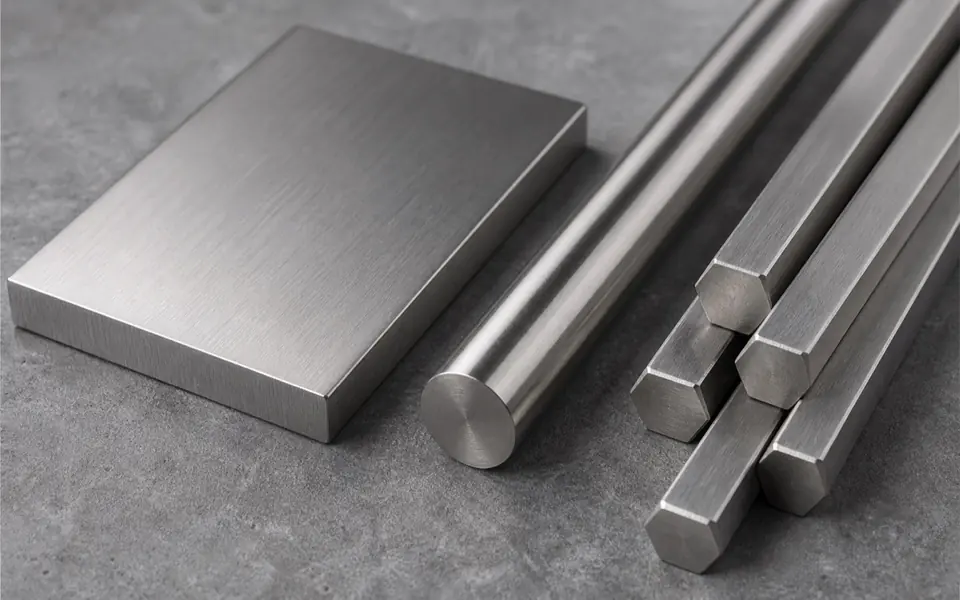
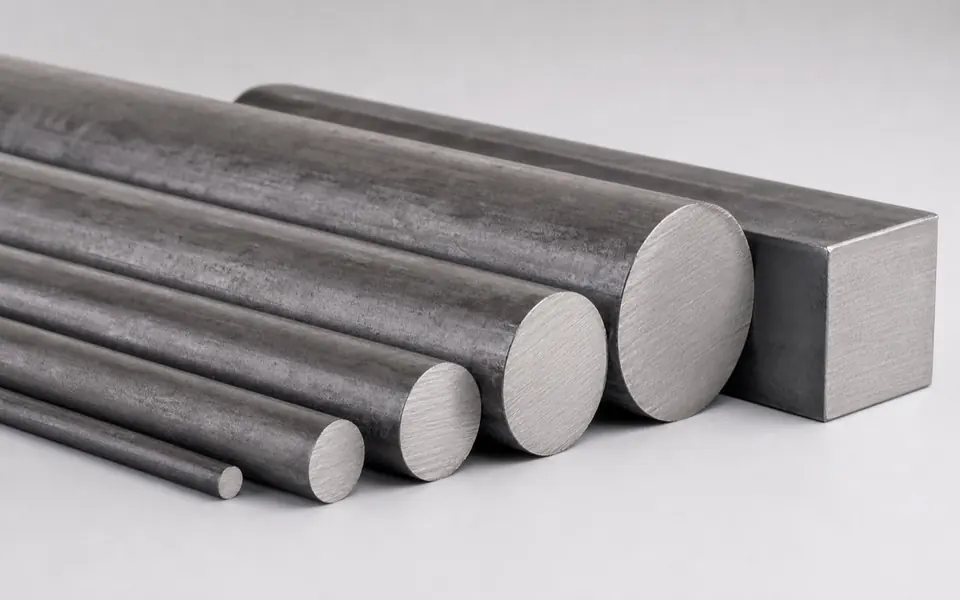
Suitable for machined wear and load-bearing components with optional localized heat treatment.
A versatile alloy-steel route for highly loaded pins, shafts and locking elements.
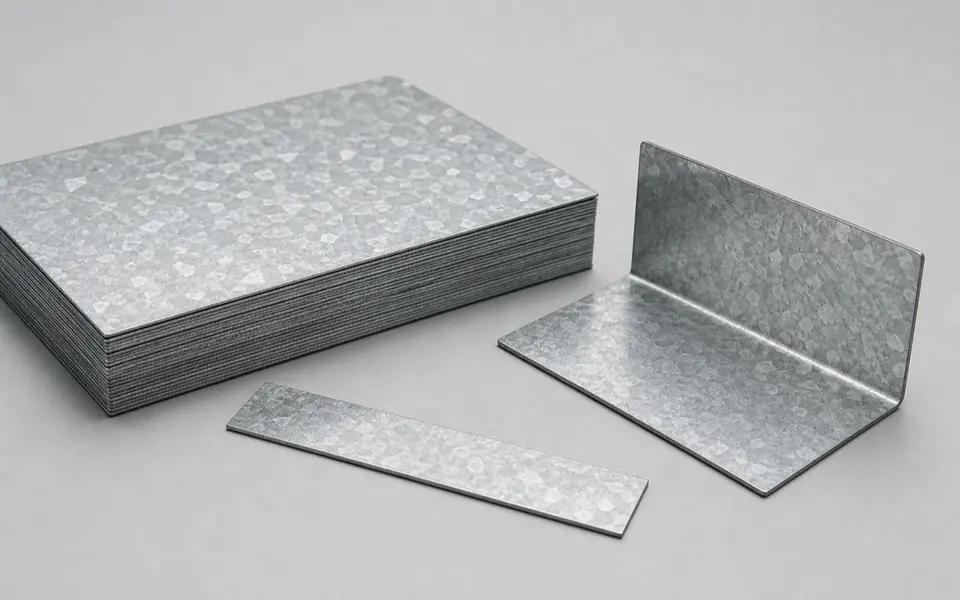
Zinc-coated sheet options for corrosion protection before or alongside additional finishing.
Rigging material decisions begin with the complete load path.
Engineering Review
Important: material grade alone does not establish a working load limit. Geometry, heat treatment, weld procedure, fastener class, load direction, proof testing, fatigue life, batch traceability and the applicable product standard must all be defined and verified.
Engineering Plastics & Elastomers
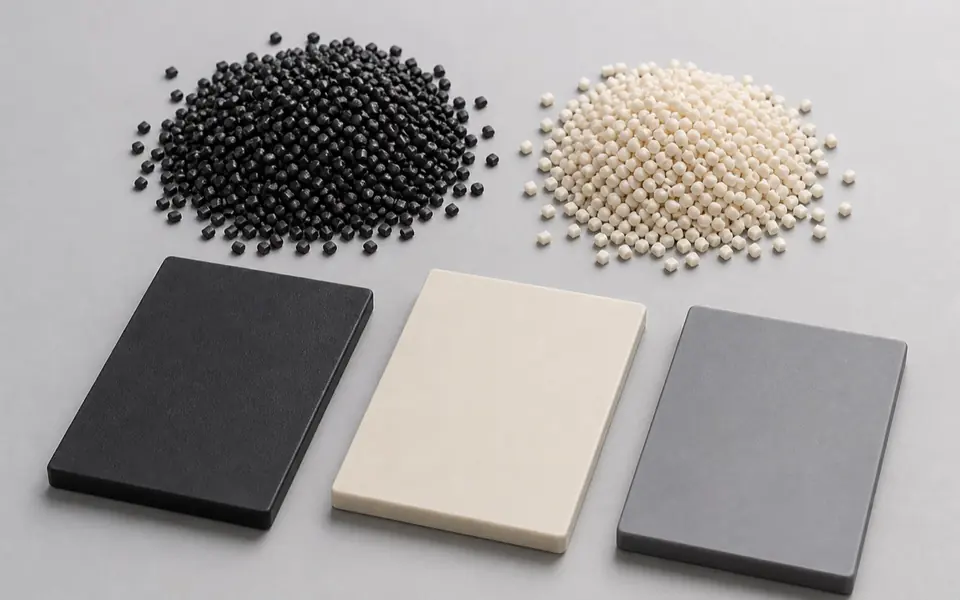
Resin selection should account for stiffness, impact, flame requirements, UV exposure, moisture, creep, texture, color and insert design.
Good appearance, impact performance and moldability for visible audio components.
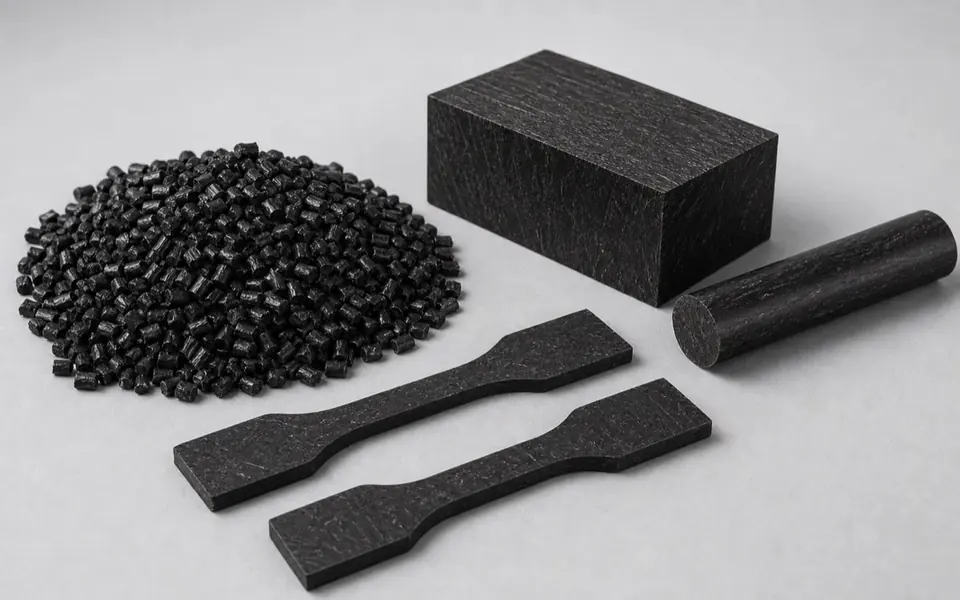
Glass-filled nylon improves stiffness and heat performance for engineered molded parts.
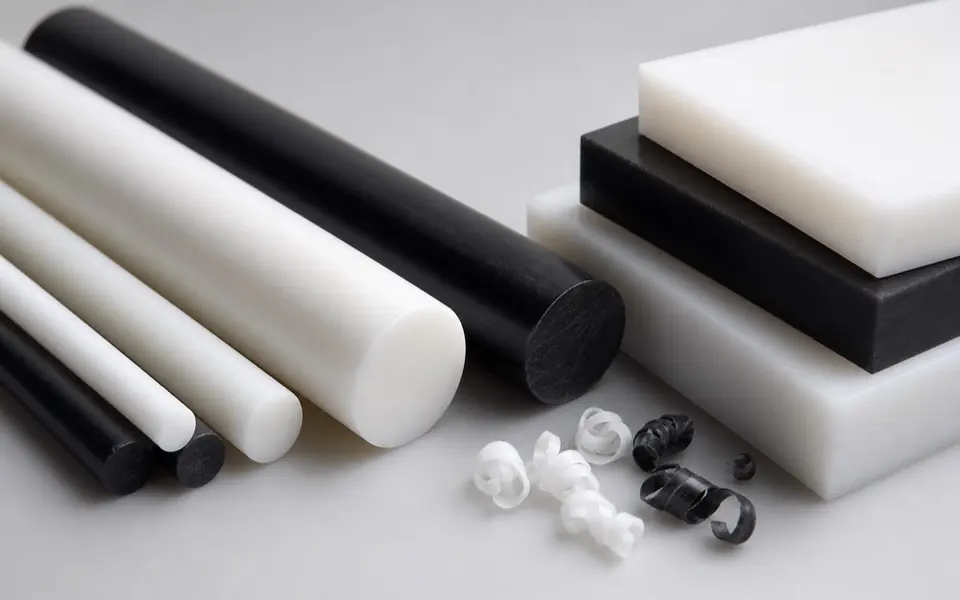
Dimensionally stable, wear resistant and easy to machine for moving or locating parts.
High impact resistance and dimensional capability for protective and structural components.
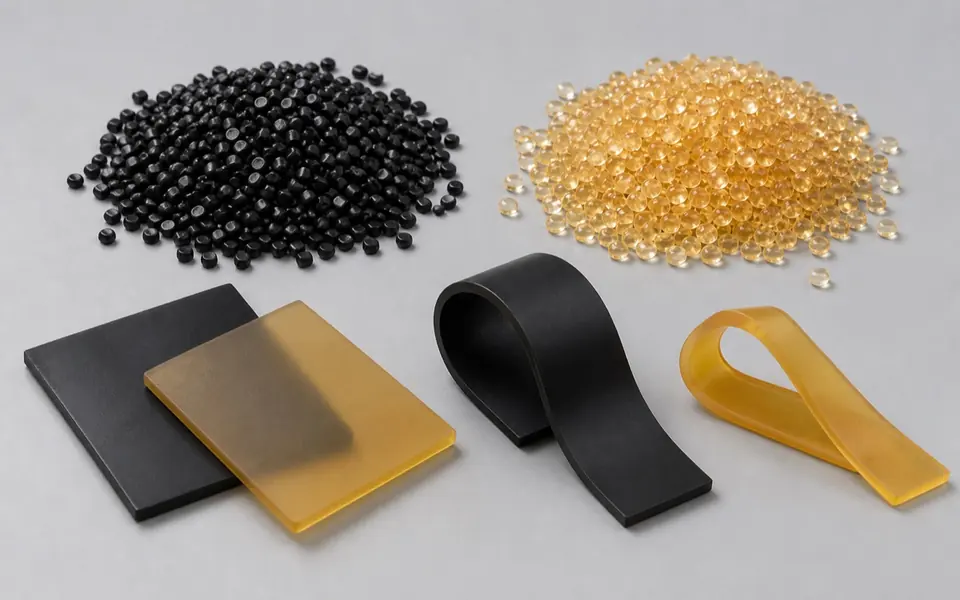
Moldable elastomers for resilient contact surfaces and durable edge protection.
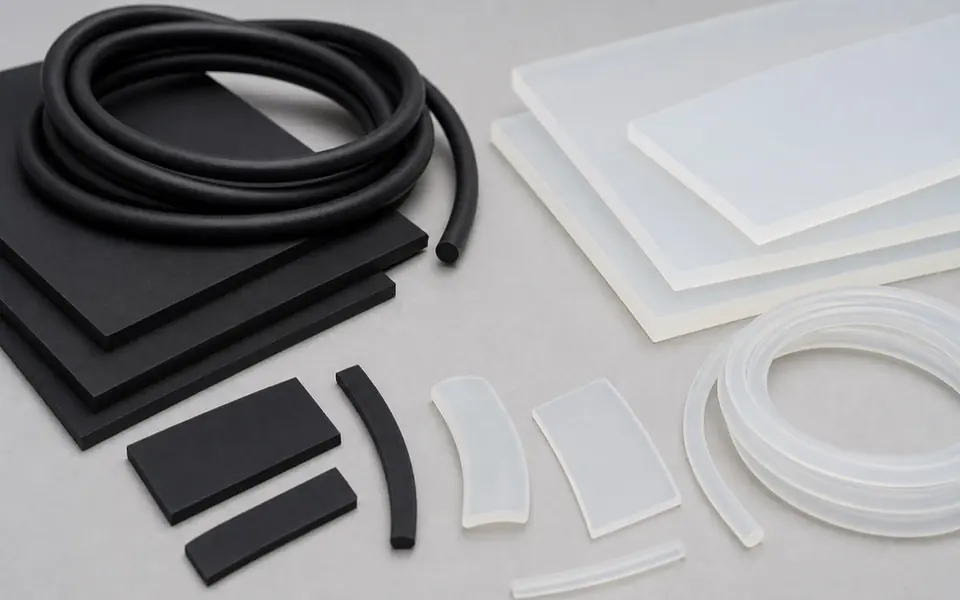
Flexible materials for sealing, temperature tolerance and vibration isolation.
Conductive & Special Materials
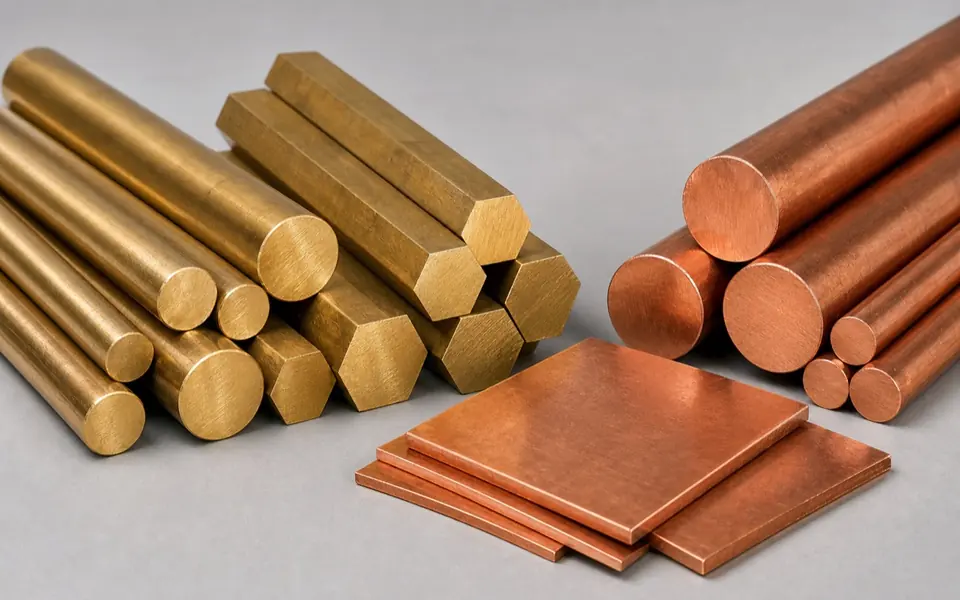
We also quote conductive, wear-focused and low-volume specialty materials when the drawing requires them.
Selection Guide
Final selection is confirmed from the drawing, load case, environment, finish, quantity and compliance requirements.
Drawing Review
Send the drawing, annual quantity, installation environment and load requirement. We will review material, process, finish and inspection points together.