Design-to-Production Decisions
Review the requirement around the part before choosing the process.
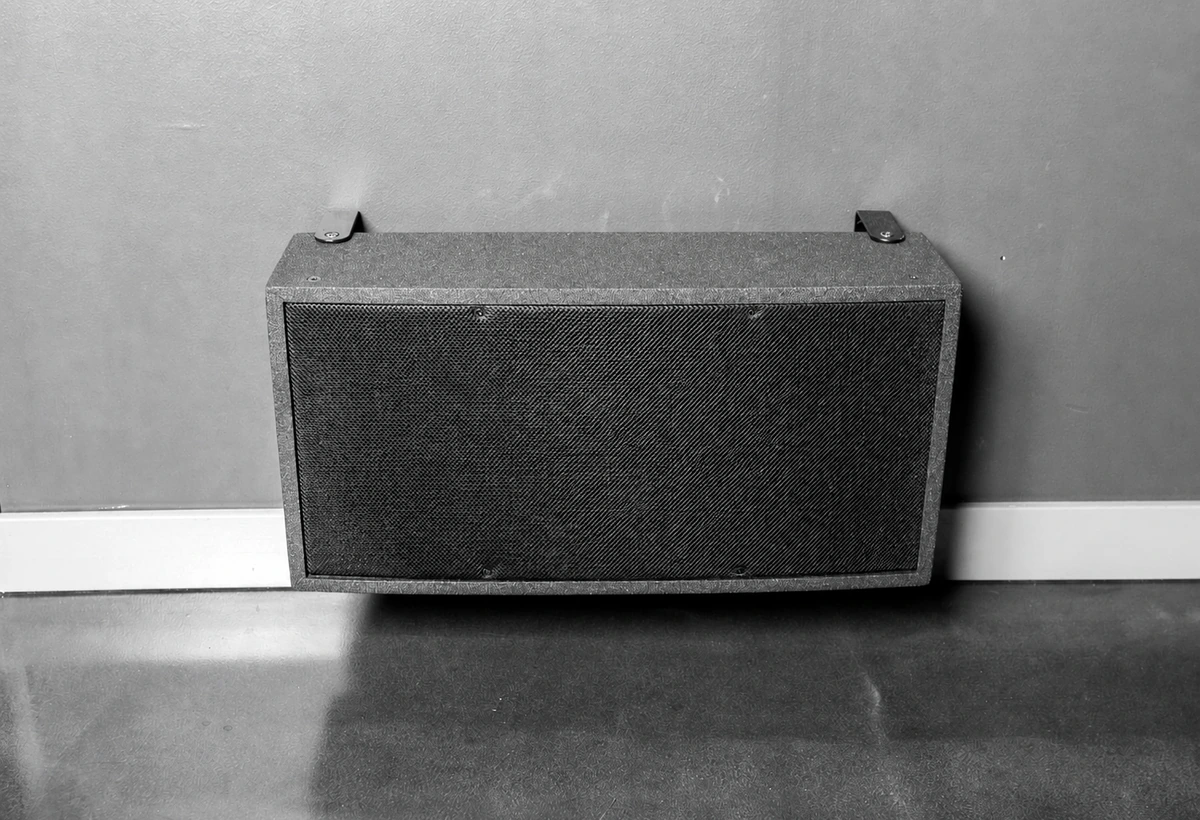
Audio hardware is not interchangeable commodity work. The right manufacturing route depends on the load path, acoustic opening, thermal interface, assembly stack, cosmetic surface, and production volume.
Component system
Design question
Typical manufacturing route
Production evidence
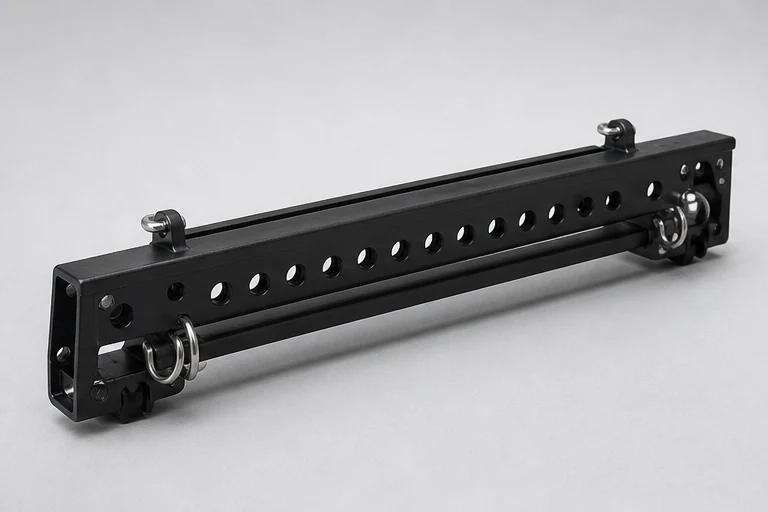
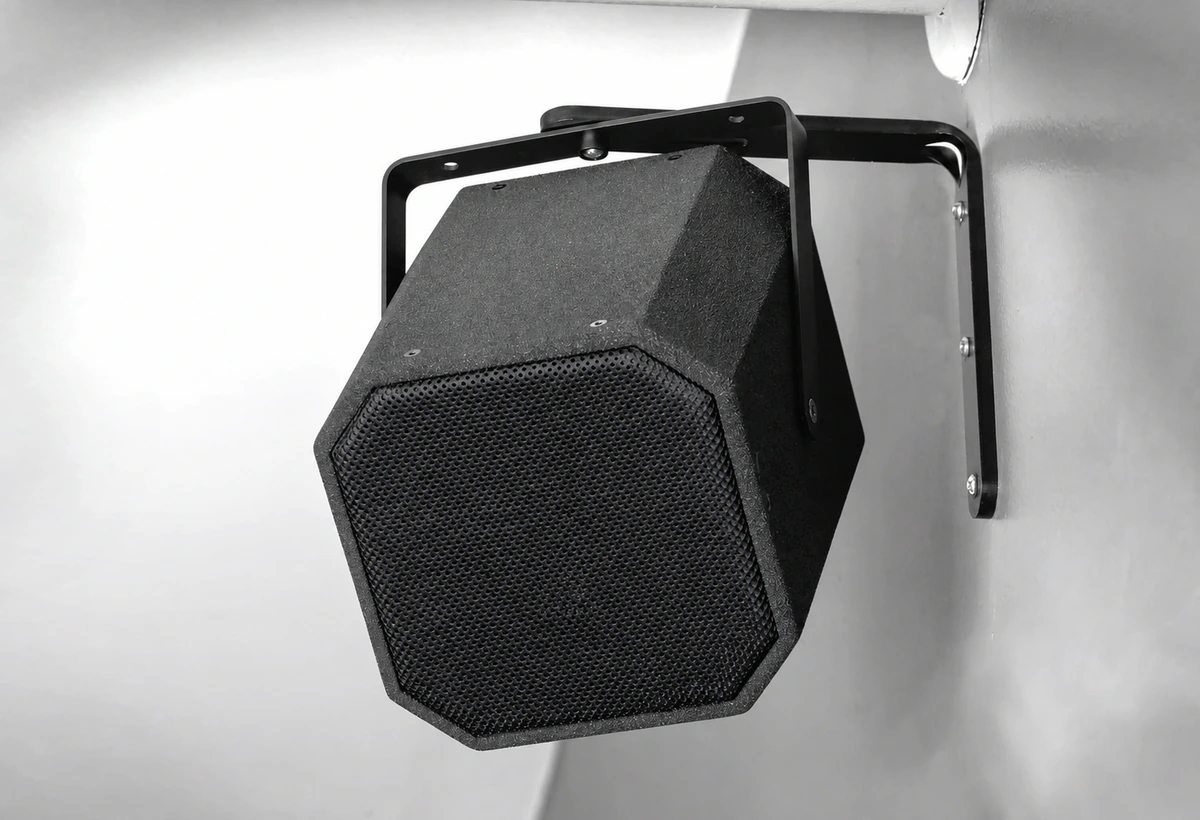
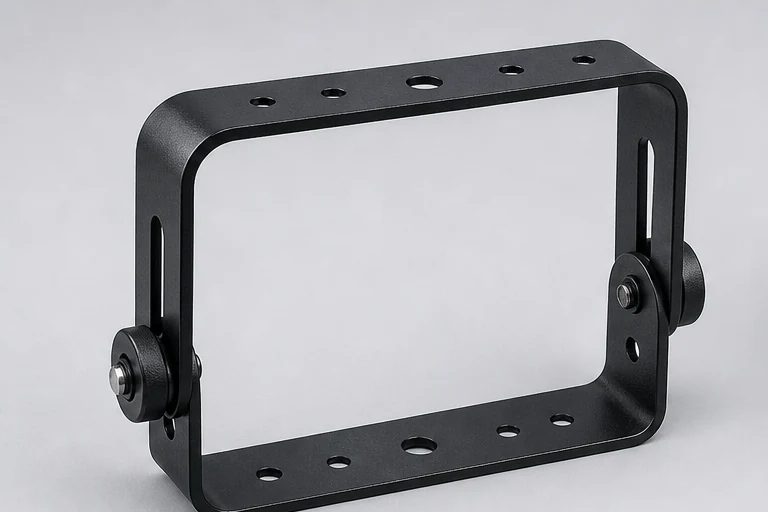
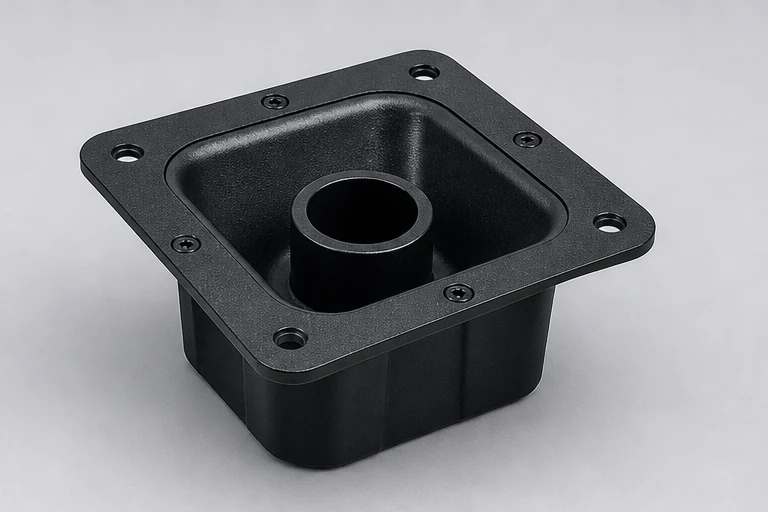
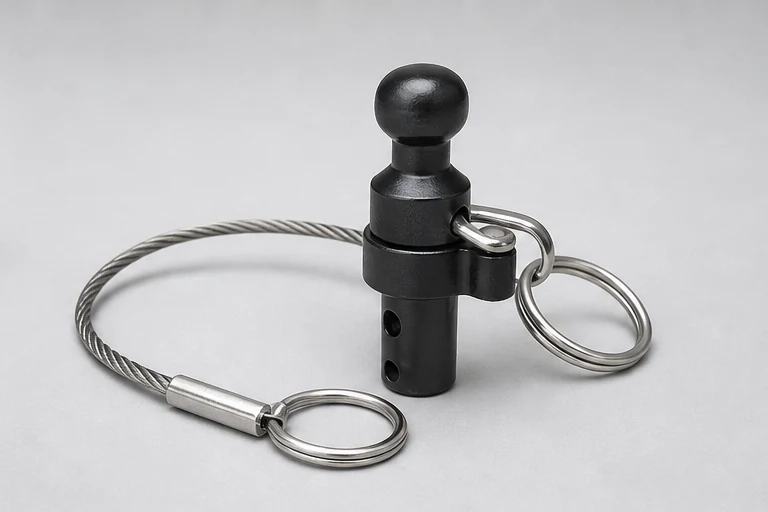
01 · Suspension
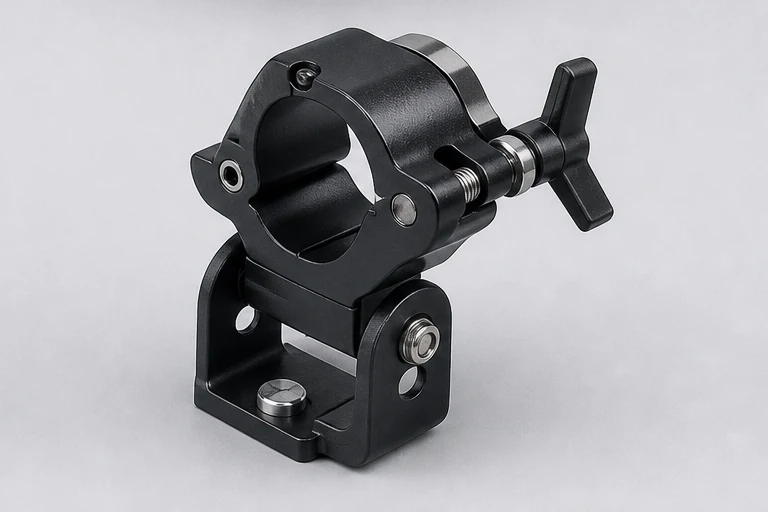
Rigging & mounting
Where does the load travel, which interfaces locate the cabinet, and which features must remain captive in service?
CNC machining, laser cutting, bending, welding, heat treatment, coating, and controlled hardware assembly.
Material and revision records, critical dimensions, fixture checks, finish review, and assembly verification to the approved plan.
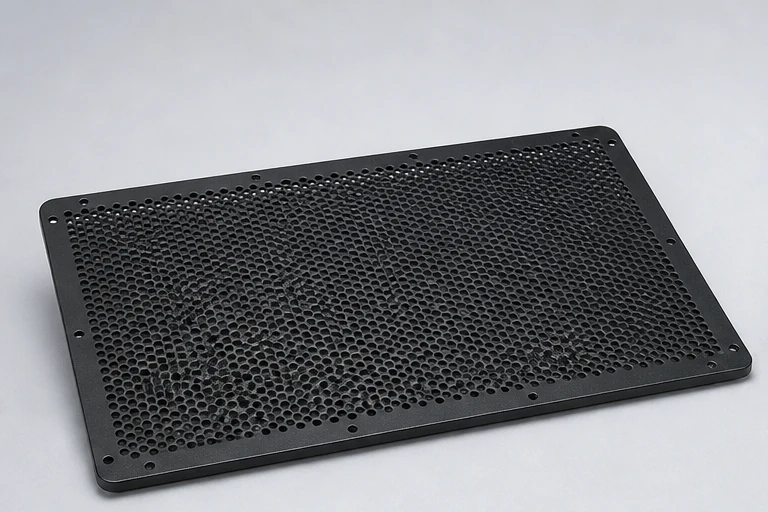
02 · Protection
Grilles & acoustic openings
What open area, bridge width, formed depth, edge retention, foam stack, and cosmetic face does the enclosure require?
Perforation or laser cutting, forming, deburring, powder coating, foam application, and cabinet-fit inspection.
Hole pattern and pitch, overall profile, edge condition, coating appearance, and fit against the approved enclosure interface.
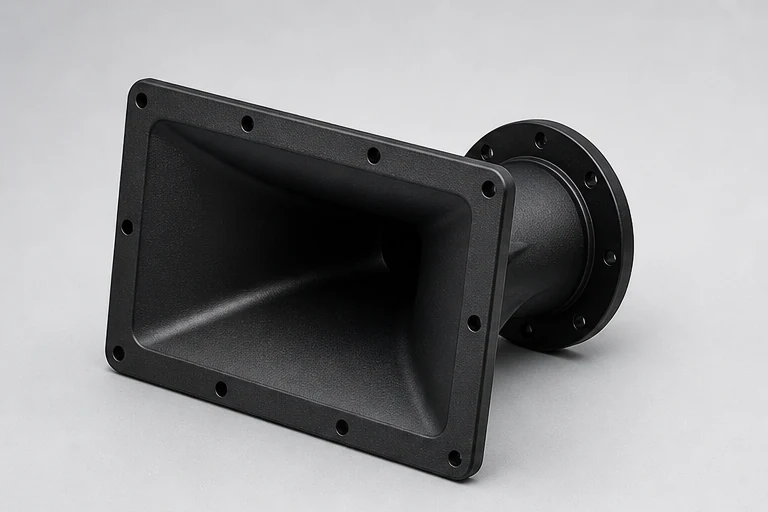
03 · Acoustic
Horns & waveguides
Which acoustic surfaces are critical, and how do draft, wall thickness, fastening, texture, and molding access affect them?
CNC prototype, DFM and tooling review, mold fabrication, injection molding, insert installation, and cosmetic finishing.
Critical profile checks, throat and mounting interfaces, approved texture and color, insert position, and assembly fit.
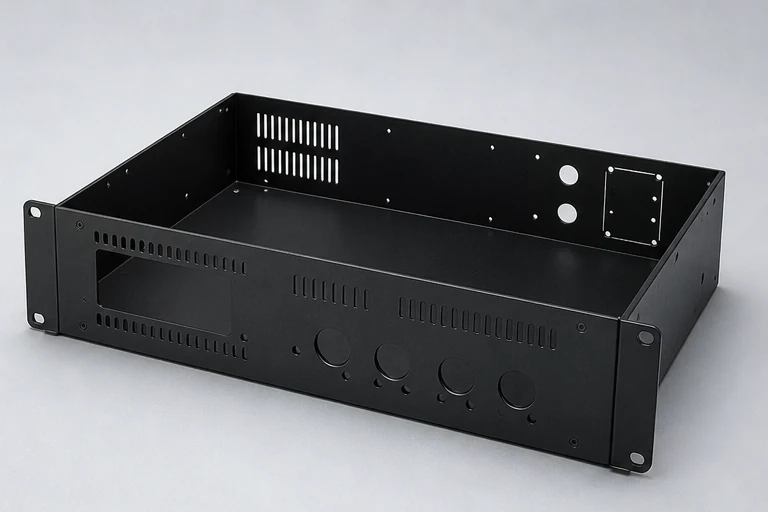
04 · Electronics
Chassis & thermal hardware
How do airflow, heat transfer, connector access, shielding, serviceability, and rack alignment interact?
Extrusion and CNC machining, sheet metal cutting and forming, marking, finishing, inserts, and subassembly.
Flatness and hole position, heat-sink contact, connector fit, coating and marking appearance, and final assembly review.